
Honoring National Family Caregivers Month
When a child has special needs, the entire family’s life can be shaped by care, routines, and emotional ups and downs. Parents become full-time caregivers, but there’s another group that can be overlooked in the caregiving experience: siblings.
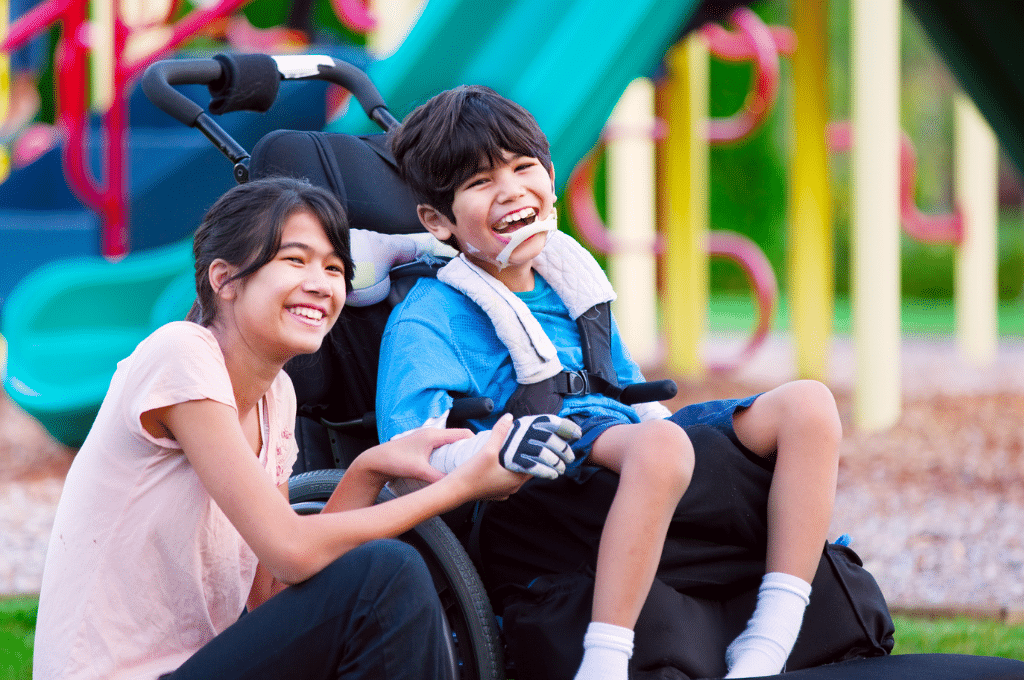
Siblings of children with special needs often show incredible empathy, patience, and maturity beyond their years. However, they may also experience complex emotions such as love, pride, frustration, and even jealousy, as they balance their own needs with those of their brother or sister.
This National Family Caregivers Month, we’re recognizing the strength and compassion siblings bring to the caregiving experience and how families can offer support.
Understanding the Feelings
Siblings of children with special needs experience a wide range of emotions as they grow and adapt within the family dynamic.
- Conflicted emotions: They might feel proud of their sibling’s progress one moment and resentful of the attention their sibling receives the next.
- Pressure to be “the easy one”: Many siblings take on extra responsibilities or avoid adding stress to the household.
- Isolation: It’s common for siblings to feel like few people understand their family dynamic.
- Guilt: They sometimes feel guilty for wanting independence or for having different opportunities.
How Families Can Offer Support
- Make time for one-on-one connection. Even short moments of undivided attention help siblings feel seen and valued for who they are—not just as helpers.
- Encourage open conversations. Give siblings permission to talk honestly about their feelings, without judgment.
- Celebrate all milestones. Recognize achievements big and small, for every child in the family.
- Seek peer support. Sibling support groups or community programs can provide safe spaces to connect with others who understand.
- Model self-care. When caregivers take time to recharge, it shows all children that caring for yourself is just as important as caring for others.
At Oaks Integrated Care, we help children, adults and families living with a mental illness, addiction, or developmental disability. To learn more about our services and ways we can support your family, call our Access Center at 1-800-963-3377.