
As Thanksgiving approaches, many families look forward to traditions that bring them together. A favorite meal. A shared prayer. A walk after dinner. A familiar table where stories are told year after year. These moments might feel simple, but they hold powerful meaning for mental health.
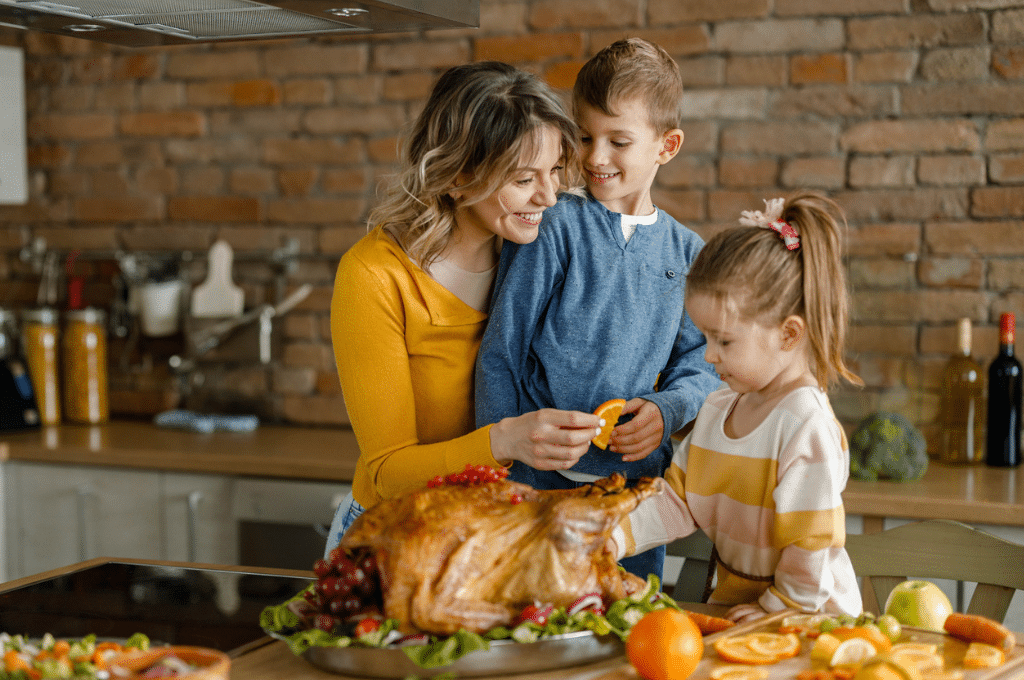
During the holiday season that can be both joyful and emotionally complex, routines can provide comfort and stability. They can help individuals and families cope with stress, strengthen relationships, and build a sense of belonging. Here are a few key ways traditions support mental and emotional well-being.
Create a Sense of Safety
Whether it is cooking a special dish together or saying what you are grateful for around the table, traditions provide structure during times of change or emotional overload. When life feels busy or unpredictable, familiar rituals offer something steady to return to. For children and adults alike, knowing what to expect can reduce anxiety and create feelings of safety.
Strengthen Connections
The holidays bring more time together, but connection requires intention. Sharing stories or laughing over old memories allows space for togetherness without pressure. These shared experiences help people feel seen and valued.
Support Emotional Expression
For some, the holidays can bring grief, loneliness, or stress. Family traditions can create safe spaces for expressing these emotions. A gratitude circle or lighting a candle in memory of loved ones can help families honor both the happy and hard moments of the season.
Creating New Traditions That Fit Your Family
Not every family has long-standing traditions, and that is okay. The holidays are a perfect time to create new ones that reflect your family’s values and needs.
If you or a loved one is struggling with mental health challenges this holiday season, you are not alone. At Oaks Integrated Care, we provide compassionate support for individuals and families across New Jersey. If you are looking for support, call our Access Center at 1-800-963-3377.